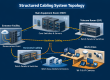
In many small businesses, everything shares one network: office computers, the guest Wi-Fi, security cameras, printers, and the phone system. That is convenient, but it means a problem on any one device can reach all the others. Network segmentation splits one network into separate zones, so a problem in one area stays there.
What Is a VLAN?
A VLAN (virtual local area network) lets one physical set of cables and switches act like several separate networks. A camera on the “cameras” VLAN cannot talk directly to a computer on the “office” VLAN unless you allow it. You do not need to run extra cable. The separation is set up in the switches and the firewall or router.
Why Separate Your Networks?
- Security. If a guest’s infected phone or a hacked camera joins your network, it cannot reach your files. See ransomware protection steps.
- Performance. Busy traffic such as video can be kept from slowing down phones and point-of-sale systems.
- Control. You can apply different rules to different groups, such as limiting guest speeds or blocking internet access for devices that do not need it.
- Compliance. Businesses that handle payment cards or patient data are often expected to isolate those systems. See network planning for medical offices.
- Troubleshooting. Problems are easier to find when systems are grouped.
A Typical Small Business Layout
- Staff network: office computers, laptops, and file access.
- Guest Wi-Fi: internet only, with no access to anything internal.
- Cameras and security: cameras, recorders, and door controllers. See camera privacy basics and access control.
- Phones: VoIP phones, often prioritized for call quality. See VoIP network needs.
- Payment and sensitive systems: card terminals or records systems in their own zone.
- Management: switch and access point administration, reachable only by authorized staff.
- Smart devices: TVs, thermostats, and other gadgets, which are often poorly secured.
What You Need to Make It Work
- Managed switches and access points that support VLANs. Cheap unmanaged switches cannot do it.
- A firewall or router that controls what each zone can reach. Separation without rules does not protect much.
- A written plan: which devices go where, and what each zone is allowed to access.
- PoE switches for cameras and access points. See our PoE guide.
- Good documentation and labeling. See our network closet checklist.
Common Mistakes
- Creating VLANs but allowing all traffic between them.
- Leaving default passwords on switches and cameras. See signs your network needs a security review.
- Forgetting devices that need to find each other, such as printers, which then break after separation.
- Skipping documentation, so nobody knows how it works a year later.
Segmentation works best when it is designed with your cabling and equipment from the start. See our low-voltage planning checklist, and consider ongoing support through managed IT.
Want a Safer, Better-Organized Network?
Scio Info Tech designs and secures business networks across California. Tell us what you have and we will recommend a practical way to separate it.