Metal keys are easy to copy, easy to lose, and impossible to track. That is why more small businesses are moving to access control: electronic systems that decide who can open which door, and when. The next question is usually what people should carry or use to get in: key cards, fobs, PIN codes, fingerprints, or a phone?
Why Switch From Keys?
- Lost credentials are easy to fix. Deactivate a card or phone in seconds instead of re-keying every lock.
- Control who goes where and when. Give staff access to their areas and set schedules, such as business hours only.
- Keep an audit trail. See who entered which door and when, which helps with investigations and compliance.
- Manage remotely. Add or remove people from anywhere with cloud-based systems.
- Connect with cameras. Match door events to video for faster answers.
Your Credential Options
Key Cards and Fobs
The most common choice. People tap a card or fob on a reader. They are inexpensive, familiar, and work for most small businesses. Not all cards are equally secure: older low-frequency proximity cards can be copied fairly easily, while modern encrypted smart cards are much harder to clone. Ask your installer which technology they use and prefer the more secure kind for new systems.
PIN Codes and Keypads
Nothing to carry or lose, and cheap to set up. The weakness is that codes get shared or watched. They work well as a second factor combined with a card, or for low-risk doors.
Biometrics (Fingerprint or Face)
Very hard to share or lose, and useful for sensitive areas like server rooms. Considerations include higher cost, privacy concerns, and the need to handle enrollment and exceptions. California has strong privacy rules, so talk to your attorney about collecting and storing biometric data and about employee notice and consent.
Mobile Credentials
Employees unlock doors with their phones using Bluetooth or NFC. There are no cards to buy, replace, or lose, and credentials can be sent remotely, which suits hybrid teams and multiple locations. The tradeoffs are that people need compatible phones and that some systems charge ongoing per-user fees.
Cloud-Based or On-Site System?
- Cloud-based: manage doors from any browser or app, automatic updates, easy to scale across locations. Usually involves a monthly or yearly subscription.
- On-site (local server): data stays in your building and there may be lower long-term fees, but you handle updates, backups, and server upkeep.
For many small businesses, cloud-based systems are simpler to run. Larger or higher-security sites may prefer on-site or hybrid systems.
Don’t Forget the Door Hardware
The reader is only part of the system. The door itself needs hardware that the system can control, such as:
- Electric strikes: unlock the latch on request, popular for existing doors.
- Magnetic locks: hold the door shut with a magnet, common on glass doors.
- Electrified locksets: built-in electric lock hardware.
Safety comes first: people must always be able to leave freely in an emergency, and locks must follow fire and life-safety codes, including how they behave when power fails. A professional installer works with these rules and your local fire and building authorities.
How to Choose
- Small office, simple needs: key cards or fobs with a cloud-based system.
- Remote or hybrid staff, multiple sites: mobile credentials and cloud management.
- Sensitive rooms (server room, cash, inventory): card plus PIN or biometrics.
- Tight budget, low-risk door: keypad.
- Many visitors or contractors: a system with temporary and scheduled credentials.
The Cabling Behind It
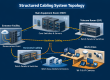
Every reader and door controller depends on solid cabling for power and communication. Planning your structured cabling together with access control and cameras is cheaper and cleaner than adding each system separately.
Ready to Secure Your Doors?
Scio Info Tech installs access control, CCTV, and structured cabling for businesses across the San Francisco Bay Area, Sacramento, Los Angeles, and California. Tell us about your doors and we will recommend a system that fits your team and budget.