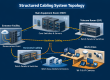
Medical and dental offices depend on their networks more than most businesses. Electronic health records, digital imaging, scheduling, billing, phones, and cameras all share the same infrastructure, and patient information must be protected. Whether you are opening a new practice or remodeling an existing one, the cabling and network design you choose will shape daily operation for years.
Plan Drops by Room, Not Just by Desk
Exam rooms and dental operatories need more network connections than a typical office. Think about everything in each room:
- A computer or workstation for charting and records.
- Imaging equipment, such as digital X-ray sensors and intraoral cameras in dental operatories.
- Diagnostic devices that connect to the network.
- A phone or intercom, and a wall display or patient education screen.
- A Wi-Fi access point nearby for tablets and mobile carts.
- A spare drop for future equipment.
Ask your equipment vendors for their network requirements before cabling is finalized. Adding drops after walls are closed is expensive. See what network cabling costs.
Speed and Reliability for Imaging
Digital images, especially from panoramic and 3D imaging, are large files that must move quickly between the device, the workstation, and storage. Slow or unreliable connections interrupt patient care. Quality cabling to each room, a properly sized network switch, and a well-planned server or storage setup keep images loading quickly. For new construction, Cat6A is a strong choice for the main runs.
Protecting Patient Information
Practices that handle protected health information must follow privacy and security rules, including HIPAA, and California has its own medical privacy laws. These rules are about safeguards rather than a specific list of equipment, and the network plays a big part. Common measures include:
- Separate networks: keep clinical systems and records apart from guest Wi-Fi, staff personal devices, and cameras.
- Locked network room: limit physical access to servers and network equipment, and record who enters. See our network closet checklist and access control guide.
- Strong Wi-Fi security and no shared passwords.
- Multi-factor authentication and individual logins for each user.
- Updates and monitoring for computers, firewalls, and medical devices.
- Encrypted, tested backups that ransomware cannot reach. See ransomware protection steps and signs your network needs a security review.
- Agreements with vendors who can access patient data, as required.
Compliance depends on your whole program, including policies and training, not only technology. Work with your compliance advisor or attorney to confirm what applies to your practice.
Other Design Points
- Cameras and privacy. Place cameras at entrances, reception, and parking, and keep them out of exam rooms and areas where patients expect privacy. See camera placement tips and check with your attorney about signage and any audio.
- Phones. Reliable phones are critical for scheduling and patient calls. See moving to VoIP.
- Power and backup. Put servers, switches, and the internet router on a UPS. Consider backup internet so you can reach cloud records during an outage. See business internet options.
- Cleanable, durable installation. Choose jacks and mounting that suit clinical environments and fit infection-control practices.
- Wi-Fi for mobile carts and tablets with coverage planned room by room.
- Documentation. Label and map everything, so any technician can support the practice.
When to Start
Bring in your cabling and network provider at the design stage, alongside your architect and equipment vendors. That is when outlet locations, equipment rooms, and pathways can be coordinated cheaply. For tenant improvements and relocations, see our office move checklist.
Building or Upgrading a Practice?
Scio Info Tech provides structured cabling, network security, cameras, and access control for offices across the San Francisco Bay Area, Sacramento, Los Angeles, and California. Share your floor plan and equipment list and we will plan the network around your practice.