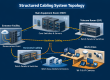
Customers, clients, and visitors expect Wi-Fi. Handing out your main password is the easy way, and it is also one of the riskiest. Every phone and laptop that joins your network becomes something that could affect your computers, cameras, and files. A proper guest network keeps visitors online without giving them a way into your business.
Why Guests Should Not Use Your Main Network
- Security: a visitor’s infected laptop could reach your computers and shared files.
- Privacy: customers and staff data should not be on the same network as strangers.
- Performance: guests streaming video can slow the systems your staff depend on, including phones and payment terminals.
- Control: you cannot easily cut off one visitor if everyone shares a single password.
- Liability and insurance: insurers ask about network separation. See what cyber insurers expect.
What a Good Guest Network Looks Like
- Truly separate, placed on its own network zone (VLAN) so guests can reach the internet and nothing else. Simply naming a second Wi-Fi network “Guest” is not always enough. See network segmentation.
- Client isolation, so guest devices cannot see each other.
- Strong encryption and a password you change from time to time, or a sign-in page with terms of use if you want one.
- Speed limits per device, so one person cannot use all the bandwidth.
- Content and security filtering, if appropriate for your business.
- Time limits, so connections expire.
- Logging, which can matter if someone misuses your connection.
Setup Checklist
- Confirm your router, firewall, and access points support separate guest networks. Many business-grade ones do. See business firewalls explained.
- Create the guest network and connect it to the internet only.
- Turn on client isolation, strong encryption, and bandwidth limits.
- Test it. From a guest device, try to reach a staff computer or printer. You should not be able to.
- Post the Wi-Fi name and password where guests can find them, such as on a small sign or card at reception.
- Decide how often the password changes, and who does it.
- Keep firmware updated on all access points. See signs your network needs a security review.
Coverage and Capacity
A guest network is only useful if it works where guests sit: waiting rooms, meeting rooms, patios, and showrooms. Plan access point locations and capacity for the busiest times. See why Wi-Fi has dead spots and Wi-Fi 6, 6E, and 7 for business. Keep guest traffic from overwhelming your internet line. See choosing business internet.
Common Mistakes
- Giving visitors the staff Wi-Fi password, and never changing it.
- Putting guests on the same network as cameras and payment terminals.
- Leaving the guest network open with no limits.
- Assuming a router’s “guest” switch is properly isolated without testing it.
- Forgetting that you may be responsible for activity on your connection.
Want Guest Wi-Fi Set Up Safely?
Scio Info Tech designs and secures business Wi-Fi across California. Tell us about your space and we will set up guest access that is safe and simple.