A warehouse is one of the hardest places to build a reliable network. Distances are long, ceilings are high, metal racking blocks wireless signals, and dust, heat, and forklifts are everywhere. Barcode scanners, inventory systems, cameras, and shipping stations all need to stay connected. Here is how to plan a warehouse network that works.
Challenge 1: Distance
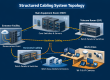
Standard copper Ethernet is limited to about 100 meters (330 feet) per run, and many warehouses are longer than that. The usual solution is a fiber backbone running from a main equipment room to smaller network cabinets placed around the building. Each cabinet then serves nearby devices with short copper runs. Fiber can span long distances and is not affected by electrical noise. See our guide to Cat6, Cat6A, and fiber.
For a device that falls just beyond the limit, special extenders can help, but a properly placed cabinet is more reliable.
Challenge 2: Wi-Fi Among Metal Racking
Steel shelves, pallets of goods, and stacked inventory absorb and reflect wireless signals, and coverage changes as stock moves. Good warehouse Wi-Fi usually means:
- A professional survey, ideally with stock in place, since inventory levels change the results.
- More access points than an office of the same size, placed to cover aisles, with attention to mounting height.
- Access point types and antennas chosen for the space, such as directional antennas for long aisles.
- Each access point connected by quality cabling and powered through PoE. See why Wi-Fi has dead spots and our PoE guide.
- Planning for scanners, handhelds, and vehicle-mounted terminals, which roam constantly.
Challenge 3: Tough Conditions
- Dust and moisture: use sealed enclosures and cabinets rated for the environment, and protect jacks and connections.
- Temperature extremes: hot ceilings and cold storage areas affect cable and equipment. Choose products rated for the temperatures they will face.
- Physical damage: forklifts, lifts, and moving stock can snag or crush cable. Use conduit, cable tray, or protected routes, and mount equipment out of the way.
- Electrical noise: motors, charging stations, and heavy machinery can interfere with copper cable. Keep cables separated from power, use shielded cable where needed, or use fiber.
- Outdoor and dock areas: use outdoor-rated cable and equipment at dock doors, yards, and gates.
- Fire and building code: sprinklers, high-rack storage, and large open spaces have their own rules for cable ratings, firestopping, and pathways. Confirm requirements with your installer and local authorities.
Cameras, Access Control, and Security
- Cameras at dock doors, entrances, high-value aisles, and the yard. Long distances and wide areas make fiber-fed cabinets and PoE switches useful. See IP vs. analog cameras and camera placement.
- Storage planning for the many cameras a warehouse needs. See camera footage storage.
- Access control on offices, cages, and high-value storage. See access control.
- Network separation: keep scanners, cameras, and office systems on separate networks. See network security warning signs.
Plan for Growth and Change
Warehouse layouts change often. Run extra fiber strands and spare cable to each cabinet, label everything, and keep drawings up to date. Think about future racking changes, new dock doors, and automation equipment. Good documentation saves time every time something moves. Our network closet checklist applies to warehouse cabinets too.
Planning a Warehouse or Distribution Center?
Scio Info Tech designs and installs cabling, fiber, Wi-Fi, cameras, and access control for facilities across the San Francisco Bay Area, Sacramento, Los Angeles, and California. Send us your floor plan and we will plan the network for your building.