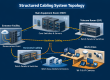
In a store or restaurant, the network is not a back-office convenience. It is how you take payments, print kitchen tickets, run menu boards, watch the register, and keep guests connected. If it goes down on a Friday night, you lose sales immediately. Planning the cabling properly before you open is far cheaper than fixing it after.
What Needs a Network Connection
- Point-of-sale (POS) terminals and card readers at every register and any mobile ordering stations.
- Kitchen display screens and receipt printers in the kitchen, bar, and prep areas.
- Self-service kiosks and order screens.
- Security cameras at doors, registers, stockrooms, parking areas, and drive-through lanes. See camera placement tips.
- Wi-Fi access points for staff devices, handhelds, and guest Wi-Fi. See fixing Wi-Fi dead spots.
- Digital menu boards and signs, music systems, and TVs.
- Back-office computers, phones, and access control for offices and stockrooms. See access control.
Cabling Tips for Busy, Tough Environments
- Wire the critical devices. Run cable to every POS terminal, printer, and kiosk instead of relying on Wi-Fi. A wired connection is faster, more stable, and not affected by crowds or interference.
- Plan for extra drops. Add spare outlets at registers, behind menu boards, and in the kitchen. Layouts change, and adding cable after finishes are done is expensive.
- Protect cable in kitchens and back-of-house. Heat, grease, moisture, and cleaning can damage cable and jacks. Use proper conduit, suitable jackets, and keep cable away from hot equipment and wet areas.
- Think about the ceiling. Many stores have open ceilings or specialty finishes, so confirm cable paths and rating requirements during design.
- Power over Ethernet. Cameras, access points, and some displays can be powered through the network cable. See our PoE guide.
- Outdoor and drive-through runs. Use outdoor-rated cable and protection for exterior cameras, menu boards, and speakers.
Keep Payments Secure
If you accept credit cards, you are expected to follow the Payment Card Industry Data Security Standard (PCI DSS). A key part of that is keeping your payment systems separated from everything else. Guest Wi-Fi, cameras, music systems, and office computers should not share the same network as your card terminals. Use separate networks (VLANs), a properly configured firewall, strong passwords, and regular updates. Your payment processor can tell you exactly which requirements apply to you.
For more, review signs your network needs a security review.
Plan for When the Internet Goes Down
- Add a backup internet connection. A second provider or a cellular (4G/5G) failover keeps cards and online orders working when the main line fails.
- Use a battery backup (UPS) on the router, switch, and POS server so a brief power flicker does not stop sales.
- Know your offline mode. Ask your POS provider what works without internet and for how long.
- Label and document everything so any technician can find a fault quickly. See our network closet checklist.
Timeline: When to Call a Cabling Contractor
Bring in your cabling contractor during design, before walls are closed and fixtures are ordered. They can mark outlet locations on your plans, coordinate with electricians and your POS vendor, and schedule cable work before finishes go up. Internet service orders can take weeks, so start those early too. Our office move checklist has a timeline that works for new locations as well.
Opening a Location? Let’s Plan the Network
Scio Info Tech has installed cabling, cameras, and kiosks for retail and restaurant locations across the San Francisco Bay Area, Sacramento, Los Angeles, and California. Send us your floor plan and opening date and we will map out what you need.