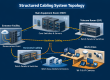

“How much will this cost?” is usually the first question we hear. The honest answer is that network cabling is priced per project, not from a fixed price list, because no two buildings are alike. A ten-desk office in a single-story building is a very different job from a multi-floor space with concrete walls and a server room.
This guide explains what drives the price, how installers build a quote, and how to compare bids so you get a fair price and a system that lasts. If you are new to the topic, start with what structured cabling is.

How Cabling Is Usually Priced
Most installers quote in one of two ways:
- Per drop (per cable run): a price for each cable from the telecom room to a wall jack or device, usually including the cable, jack, labeling, and testing. This is the most common method for offices.
- Per project: a single price for the whole job, which makes sense when there are many different parts, such as racks, fiber, pathways, and equipment.
Ask which method is being used and exactly what is included in each price. Two quotes can look very different simply because one includes testing, labeling, and cleanup and the other does not.
What Drives the Price
- Number of cable runs: more drops means more cable, more labor, and more testing, although the cost per drop often falls on larger jobs.
- Cable type: Cat6A costs more than Cat6 because the cable is thicker and takes more work to install, and fiber adds equipment and specialized termination. See our guide to Cat6, Cat6A, and fiber.
- Building type and access: open ceilings are quick, while finished drywall, concrete, masonry, or tight spaces take longer. Multi-story buildings and long runs add time.
- Existing conditions: removing old abandoned cable, or working around existing pathways, adds labor.
- Fire rating requirements: plenum-rated cable costs more than standard cable, and firestopping adds materials and labor.
- Telecom room and rack work: patch panels, racks, cable management, grounding, and any new electrical or cooling needs.
- Schedule: after-hours or weekend work to avoid disrupting your business may cost more.
- Location and permits: travel time, local permit requirements, and prevailing labor rates vary across California regions, including the Bay Area, Sacramento, and Los Angeles.
- Equipment: switches, Wi-Fi access points, and firewalls are usually quoted separately from cabling.
What a Good Quote Should Include
A clear quote makes the real cost easy to compare. Look for these items:
- The number and location of every cable run, ideally marked on a floor plan.
- The cable category and fire rating (for example, Cat6A plenum).
- Jacks, patch panels, and racks, with brand and type.
- Testing and certification, with results provided to you.
- Labeling and documentation.
- Firestopping and cable supports.
- Permits, if required.
- Cleanup and removal of old cable, if planned.
- Timeline, payment terms, and warranty.

Why the Cheapest Bid Can Cost the Most
Low prices often come from skipped steps. Common corners that cut cost up front but create problems later include:
- No certification testing, so bad runs are found only when something fails.
- Cheaper cable that does not meet its rating or struggles with PoE devices.
- No labels or documentation, which makes every future repair slower and more expensive.
- Skipped firestopping or the wrong cable rating, which can fail inspection.
- Too few outlets, so you pay again when you add devices.
Fixing a poor installation inside finished walls and ceilings usually costs far more than doing it correctly the first time.
Ways to Control Cost Without Cutting Quality
- Plan early. Cabling is cheapest during construction or a remodel, before walls are closed.
- Count your devices. Include desks, phones, printers, Wi-Fi access points, cameras, door readers, TVs, and conference rooms.
- Add a few spare drops. Extra outlets are inexpensive now and costly later.
- Bundle projects. Combining cabling with cameras, access control, or Wi-Fi saves on mobilization and planning.
- Be flexible on timing. If your space allows normal-hours work, the job is usually simpler to schedule.
- Get a site walk before the quote. Quotes based on a real walk-through are more accurate and have fewer change orders.

Questions to Ask Every Installer
- Is pricing per drop or per project, and what exactly is included?
- Will every run be tested and certified, and will I receive the results?
- What cable brand, category, and fire rating will you use?
- Who handles permits, firestopping, and cleanup?
- Is your work warrantied, and for how long?
- Are you licensed and insured for work in California?
- How do you handle changes once work begins?
Get a Clear, Itemized Quote
Scio Info Tech provides structured cabling, CCTV, access control, and network services across the San Francisco Bay Area, Sacramento, Los Angeles, and the rest of California. Tell us about your space and we will walk you through the options and provide a quote that spells out what you are paying for.