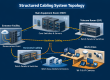
A second building across the lot, a detached shop, a gate, a barn, or a neighboring suite: sooner or later many businesses need to get their network to another location on the same property. There are three main ways to do it, each with different costs and trade-offs. This guide helps you choose.
Option 1: Point-to-Point Wireless Bridge
Two directional antennas, one on each building, beam the network across the gap. No trenching is needed.
- Pros: usually the fastest and least expensive to install, and flexible if you move.
- Cons: needs a clear line of sight, so trees, new buildings, and trucks can block it. Weather, interference, and distance can reduce speed. Speeds are generally lower and less consistent than fiber.
- Good for: moderate distances, temporary setups, and places where digging is difficult.
Option 2: Fiber Optic Cable
Outdoor-rated fiber is buried in conduit or run overhead between buildings.
- Pros: very high speeds, long distances, reliability in all weather, and no electrical connection between buildings, which protects against lightning and ground differences.
- Cons: higher installation cost, and trenching or pole work may need planning and permits.
- Good for: permanent, high-demand links such as cameras, phones, servers, and warehouses. See single-mode vs. multimode fiber and warehouse cabling.
Option 3: Buried Copper Ethernet
Outdoor-rated copper cable in conduit works for short distances, up to about 100 meters (330 feet).
- Pros: inexpensive cable, and it can carry power for cameras and access points. See our PoE guide.
- Cons: limited distance, and copper between buildings can carry lightning surges or electrical noise. Surge protection and proper grounding are essential.
- Good for: short hops, such as a nearby shed, gate, or outdoor camera.
How to Decide
- How far apart are the buildings? Under 100 meters opens up copper. Farther points to fiber or wireless.
- Is there a clear line of sight? If not, wireless may not work.
- How much data will cross? Cameras, phones, and servers favor fiber.
- Is it permanent? Digging makes sense for a link you will keep for years.
- What is in the way? Paving, utilities, easements, and property lines affect trenching cost and permits. Check with your installer, and call before you dig, since buried utilities are a safety issue.
- What is the budget and timeline? Wireless can be live in days. Fiber takes longer.
Don’t Forget the Other Details
- Power at both ends, with battery backup for key equipment. See UPS battery backup.
- Security: treat the link like any other path into your network, with encryption for wireless links and separated networks. See network segmentation.
- Cost: see our overview of network cabling costs.
- Cameras on the outer building: see outdoor camera planning.
Need to Connect Another Building?
Scio Info Tech surveys sites and installs wireless, fiber, and cabling links for businesses across California. Tell us what you need to connect and we will recommend the best option for your property.